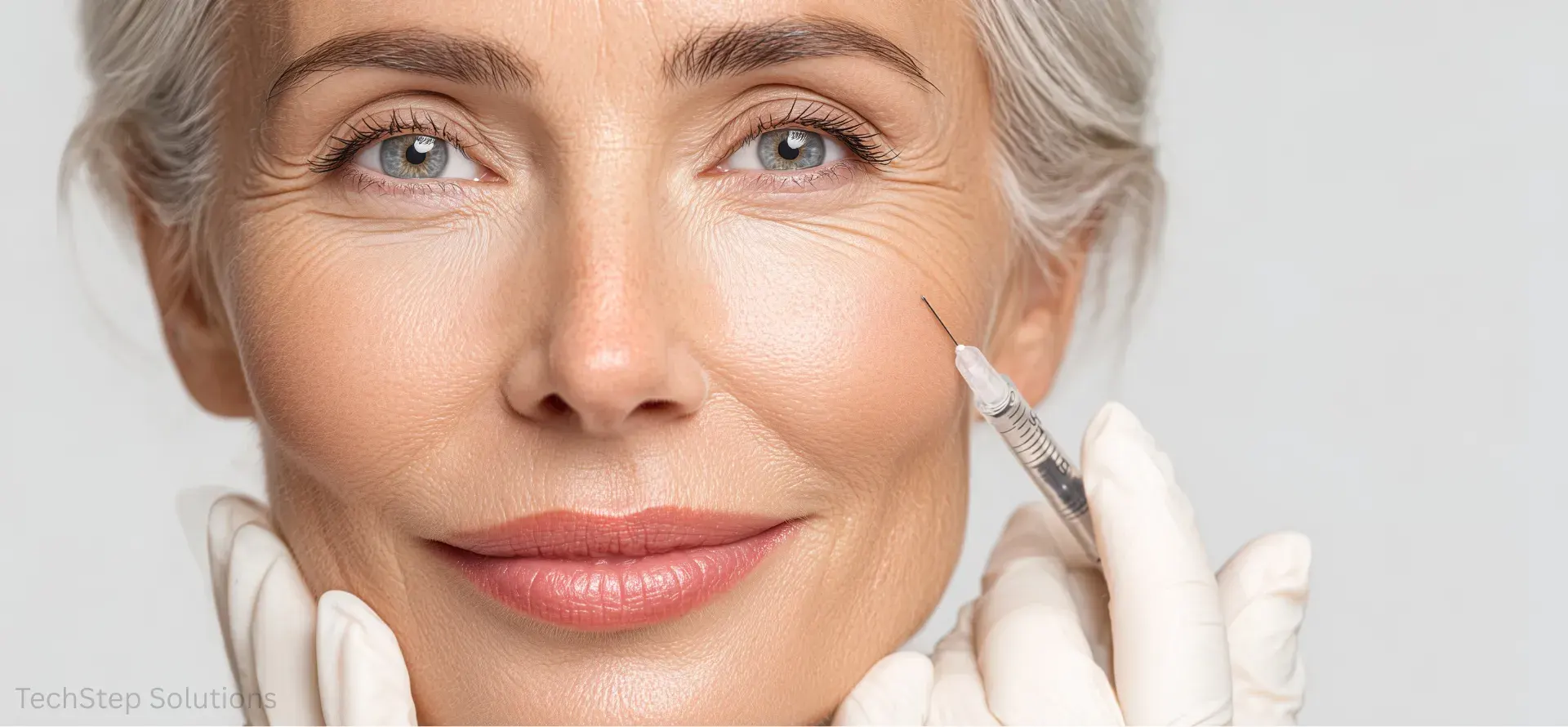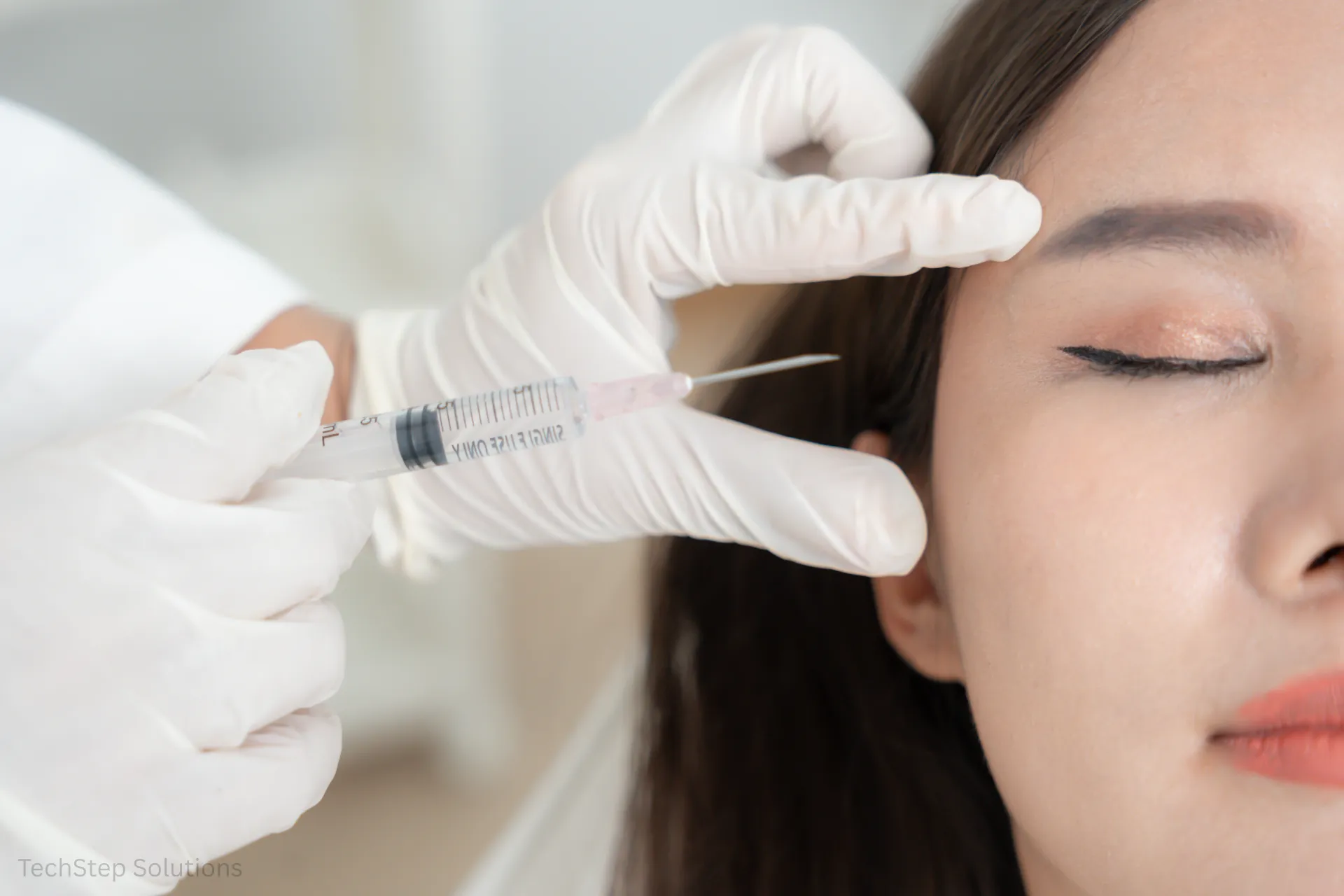
Botox is considered safe, with no evidence linking it to cancer. Ready for smoother, youthful skin? Book your Botox session today at Classy Aesthetics Wellness!
The use of Botox has increased quickly in recent years. Many people choose these neurotoxin injections to soften frown lines, smooth crow’s feet, and relax tight facial muscles. This rise in treatments also brings questions about does Botox cause cancer. Some patients worry about long-term safety, while others fear possible links to cancer developmen
These concerns usually appear when people hear mixed information online. The idea of a toxin in the skin can sound scary. It is natural to wonder about botox cancer risk and how it behaves inside the body. Misleading posts also add confusion.
Most people ask this question because they want safe and trusted care. They also want clear answers. Understanding the real facts helps you make confident choices about cosmetic treatments without fear.
Many people wonder if Botox can cause cancer. Scientific evidence provides clear answers. Decades of clinical studies and clinical trials have monitored Botox use in cosmetic and medical treatments. These studies show no link between Botox and cancer.
Research has looked at long-term patients using Botox for various medical conditions, including migraines, muscle spasms, and hyperhidrosis. None of these studies reported increased cancer risk.
Some rumors suggest Botox is cancer causing, but these claims lack scientific proof. Botox works locally at the injection site and does not alter DNA or cell growth.
The FDA has approved Botox for multiple uses and monitors its safety closely. Millions of treatments worldwide have not revealed any serious botox health risks related to cancer
Even patients receiving repeated or high-dose treatments over years have shown no evidence that Botox can trigger cancer development or any botox cancer causing effect.
Scientific data confirms that Botox does not cause cancer. Patients should focus on proper administration by trained professionals to minimize risks.
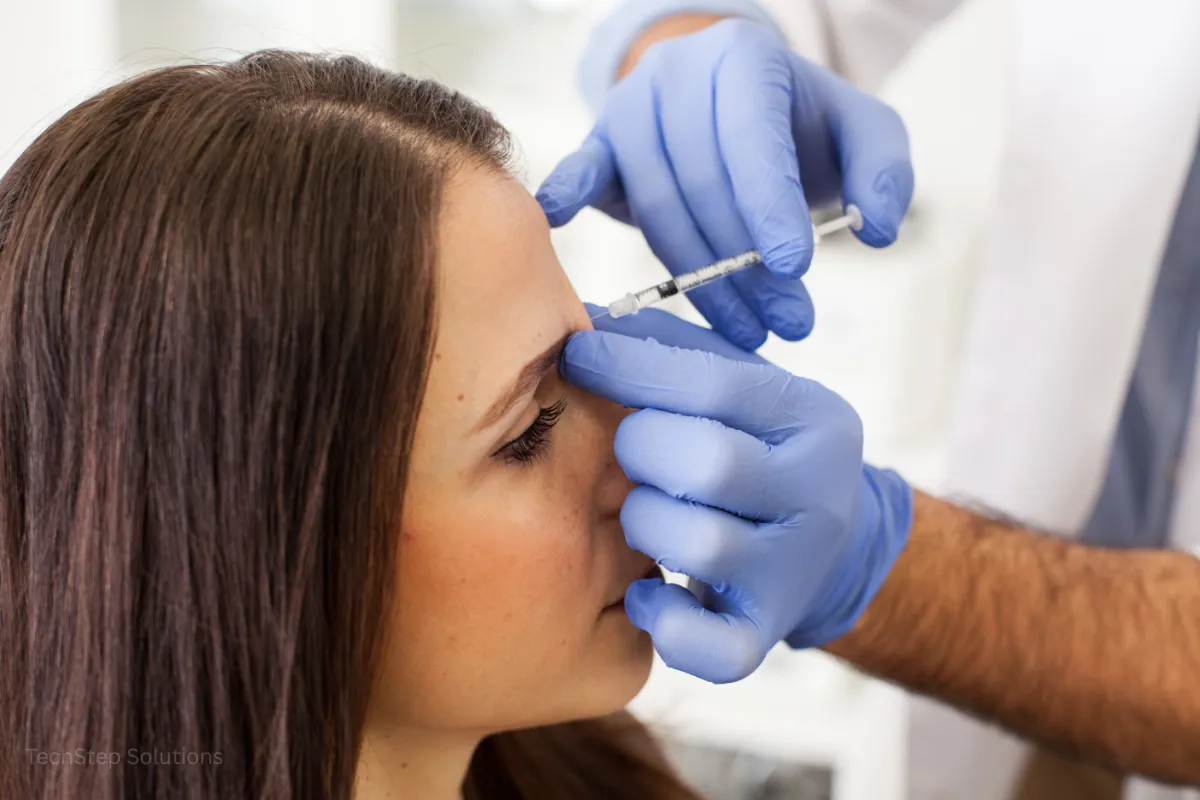
Many people worry about botox cancer risk because of rumors and online myths. Some think it could alter DNA or cause cancer development, but studies show this is not true. Botox works locally at the injection site and is metabolized naturally. While mild side effects can occur, serious botox health risks or risks with Botox like cancer do not happen.
Anecdotal reports linking Botox to cancer lack scientific proof. Clinical trials and long-term studies show no increase in cancer risk. Using certified providers and proper dosing ensures safe treatment, helping patients avoid unnecessary fear.
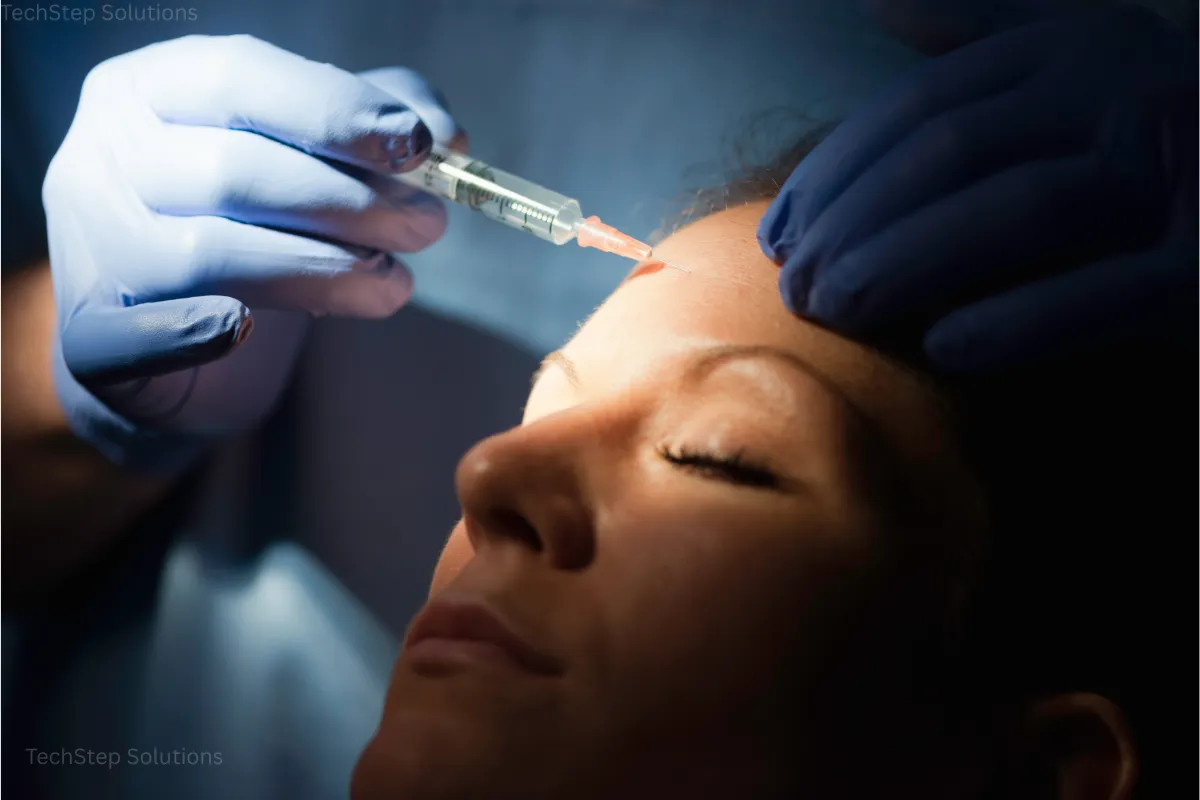
For cancer patients, safety is the top priority when considering Botox. Doctors carefully evaluate individual medical conditions and ongoing treatment before recommending injections.
With proper evaluation, professional administration, and follow-up care, Botox remains a safe option even for patients with cancer. Always follow your provider’s instructions to maximize benefits and minimize risks with Botox.
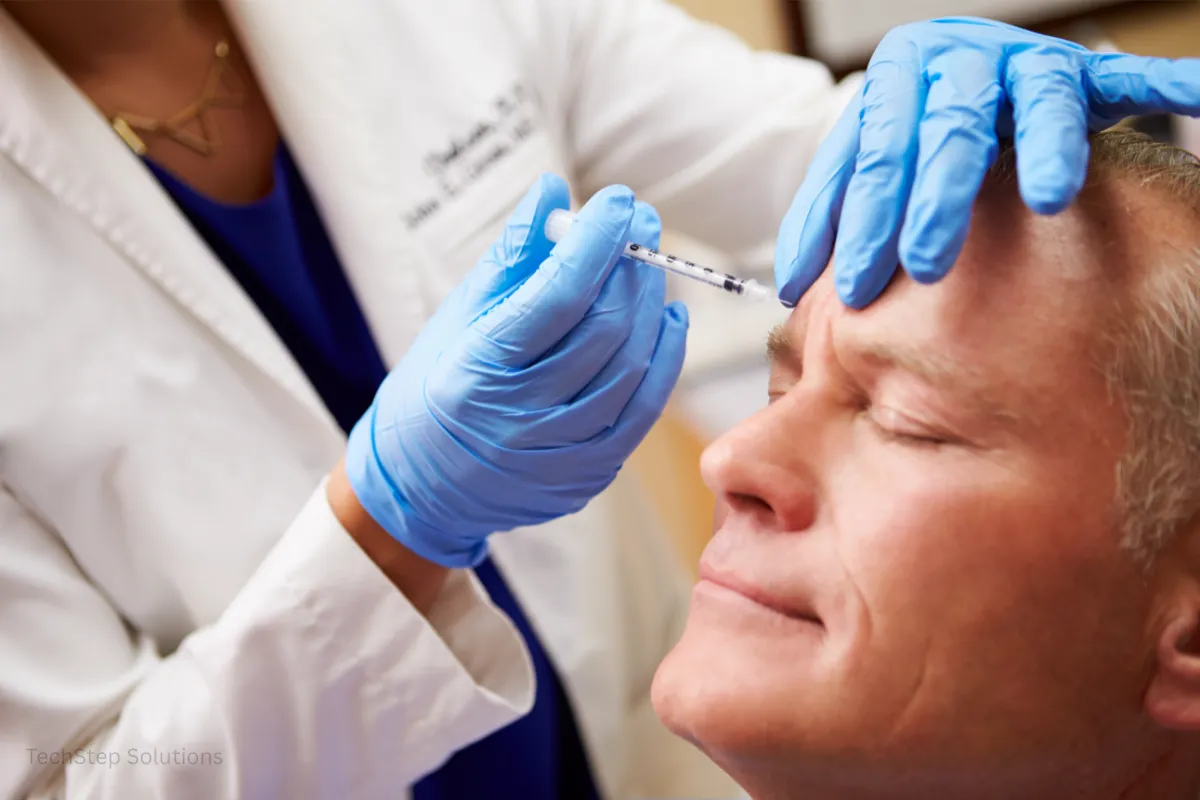
Extensive clinical studies and clinical trials have examined Botox for cosmetic and medical purposes. They show no serious botox health risks.
The FDA has approved Botox for multiple applications and requires ongoing monitoring of adverse events. This regulatory oversight ensures patient safety and provides confidence in its long-term use. Long-term follow-ups in patients using Botox for muscle spasms, migraines, or cosmetic purposes show no increase in systemic complications.
Side effects are usually mild and temporary, such as injection site redness or slight muscle weakness. Overall, decades of research, post-marketing surveillance, and trial data confirm that Botox is safe when administered properly and monitored by qualified professionals.
No. Botox works locally at the injection site and does not interact with DNA or cell growth. There is no evidence of cancer development.
Botox can be used safely under doctor supervision. Patients with certain medical conditions or weakened immunity should follow specific precautions.
Extensive clinical studies and clinical trials show no link between Botox use and cancer risk. Reports suggesting otherwise are anecdotal.
No. Botox is a purified neurotoxin that temporarily affects muscle spasms and facial muscles for cosmetic or therapeutic treatment. It does not cause carcinogenesis.
Long-term studies show Botox is safe. Mild effects like muscle weakness may occur, but serious botox health risks or cancer are not reported.

Botox is FDA-approved and widely studied for both cosmetic and medical use. Millions of patients use it safely every year, and current evidence shows no link between Botox and cancer. Concerns about botox issues or long-term cancer risk are unsubstantiated. Mild side effects like temporary muscle weakness or minor bruising can occur, but serious botox safety concerns are rare.
Anyone considering Botox treatment should always consult a licensed professional at Classy Aesthetics Wellness. They can provide guidance based on your medical history and treatment goals. Overall, Botox remains one of the safest and most effective Neurotoxin treatments for wrinkles, muscle spasms, and therapeutic pain relief, without increasing cancer risk.
EXCELLENTTrustindex verifies that the original source of the review is Google. Estoy más que feliz y agradecida con Classy Aesthetics, por que gracias ustedes estoy alcanzando mi objetivo en mi peso, las vacunas no me causaron ningún síntoma fuerte más que poquito dolor de cabeza pero tomas agua y listo!! Gracias realmente estoy muy contenta con mi cambio🥰❤️Posted onTrustindex verifies that the original source of the review is Google. Im so glad I found someone who knows what they're doing. My lips look natural! I most definitely recommend her! Thank you so much!Posted onTrustindex verifies that the original source of the review is Google. Super professional, and always available for advice.Posted onTrustindex verifies that the original source of the review is Google. Elizabeth is very kind and very professional, she is helping me with weight loss, she was great at explained everything to me, I most definitely recommend he.Posted onTrustindex verifies that the original source of the review is Google. Classy asthetics is such an amazing place as soon as you enter you feel the positive warming vibes from Elizabeth. If your someone who wants to loose weight or is stuck I recommend coming to Elizabeth shes awesome & explains everything so well.Posted onTrustindex verifies that the original source of the review is Google. I loved my experience with Elizabeth! Very professional & helpful! ❤️ I recommend her 100%!Posted onTrustindex verifies that the original source of the review is Google. I came across her page through some TikTokers to be more exact the twin sisters, if you know you know lol … One of the sisters progress convince me into looking more into her service provides, and I was sold.. She is really good at communicating with you and answering all your questions. Customer service was great shipping next day was crazy.. Had zero issues… I highly recommend … and the fact I didn’t have to go in person was even better !Posted onTrustindex verifies that the original source of the review is Google. Muy buena atención te explica súper bien te sientes segura en venir a este lugarPosted onTrustindex verifies that the original source of the review is Google. I was so comfortable with Elizabeth! She is very educated on all the medications and she was great at explaining everything to me! I felt really relaxed and had no doubts by the time I left. I recommend her 100% and I will continue to come with her!Posted onTrustindex verifies that the original source of the review is Google. Great experience. Elizabeth was very professional and helpful. I am so glad a was able to get the help that I got from her. When I had a question she always made sure to explain everything thoroughly. I most definitely recommend!
Advanced Skincare and Wellness Tailored for You